
Are you looking for high-quality Hardwood Sleepers? Welcome to our website! Here you will find premium Hardwood Sleepers, specialized oak wood sleepers, and other masterfully crafted timber products. For more details, please contact us at contact@silvarisgrup.ro.
In a railway system, Hardwood Sleepers act much like the vertebrae in a human spine. What would our body be without vertebrae? How would our lungs and other vital organs be supported without them?
Similarly, in a railway network, Hardwood Sleepers represent the structural support that carries the heavy load. If the sleepers are compromised, there is a high risk of the rails spreading (loss of gauge) and, inevitably, the deterioration of the track bed.
Have you ever been on a train and felt as if it were hitting “potholes”? It’s the same sensation as hitting a hole with a car wheel. It is worth knowing that the main culprit is usually not the engine driver or old rails, but the Hardwood Sleepers.
If water has accumulated under the sleeper or if the ballast is crushed, the sleeper loses its stability. This creates an unpleasant sensation, both tactile and auditory. Our Hardwood Sleepers are engineered to maintain track integrity even under challenging environmental conditions.
Our job is to provide superior quality Hardwood Sleepers! Our expertise in the wood processing industry is reflected in every single product we deliver.
As the infrastructure sector continues to grow, railway systems must be upgraded with high-level solutions. Hardwood Sleepers remain a premium solution worthy of consideration for any modern or traditional railway network!
We have already touched upon some of their primary functions. However, it is worth noting that Hardwood Sleepers are not only used in the railway industry, even though the term seems “umbilically” linked to it.
Beyond railways, Hardwood Sleepers are used in the mining and forestry industries (for transport lines), in civil engineering and bridges, shipyards, or ports. Last but not least, these sleepers are widely used in gardening and landscaping.
Thus, Hardwood Sleepers cover multiple fields where they can be used with great success. In which field do you use them? Do you run a construction business? Do you work in the railway industry? Whatever your need, our Hardwood Sleepers are more than just components—they are true structural solutions!
The main function of a Hardwood Sleeper is to uniformly distribute dynamic loads. As in our “pothole” example, sleepers take the weight of the train and convert the pressure.
How many tons does an electric locomotive weigh? Let’s say 100 tons (some even more). All that weight presses down on the rails. If the rail sat directly on the ground, it would sink like a knife through butter. The role of the Hardwood Sleepers is to take that massive pressure from the rails and discharge it into the ballast (the stone bed underneath).
Let’s look at some basic calculations to understand how our Hardwood Sleepers perform:
Standard Dimensions: What is the size of a standard sleeper? Between 2.4 and 2.6 meters. We focus on the 2.6-meter standard because it offers superior stability and load dispersal.
Installation Density: How many sleepers are laid per kilometer of track? Regulations vary, but for our example, let’s use a fixed number: 1,500 sleepers per kilometer.
Spacing: At 1,000 meters (1 km) with 1,500 units, we get a distance of 0.66 meters (66 cm) between each sleeper.
This means that every 66 cm, there is a high-quality oak Hardwood Sleeper ready to take the load. If we place a 100-ton locomotive on the rails, the weight is divided among 4 axles, resulting in 25 tons per axle, or 12.5 tons per wheel.
Therefore, the density of our oak Hardwood Sleepers is not a luxury—it is a technical necessity to keep the ballast and the rail in perfect condition for as long as possible.
Hardwood Sleepers are far from being “old-fashioned,” even when compared to concrete, steel, or polymer alternatives. In fact, high-quality timber remains in high demand and is considered unparalleled in many engineering scenarios due to its unique physical properties.
Our Hardwood Sleepers offer a set of specific advantages that make them the preferred choice for professional rail and structural projects:
Superior Elasticity: Our Hardwood Sleepers absorb shocks and vibrations far more effectively than rigid concrete, protecting the rolling stock and the ballast bed.
Optimal Weight-to-Strength Ratio: It is significantly easier and more cost-effective to handle and install a Hardwood Sleeper compared to heavy concrete or steel alternatives.
Natural Electrical Insulation: Wood is a natural dielectric insulator and also provides the best sound insulation among all types of railway sleepers.
Bespoke Adaptability: Unlike pre-cast materials, Hardwood Sleepers can be precision-cut to bespoke sizes for complex switches (turnouts), bridges, or custom industrial layouts.
Lateral Resistance: Our sleepers excel in curves, where trains exert immense lateral force, maintaining track gauge and stability under pressure.
At Silvaris, our Hardwood Sleepers are manufactured predominantly from Oak, which is globally recognized as a premium material for its natural durability and density.
Hardwood Sleepers made from oak offer a major advantage due to their high density, extreme pressure resistance (essential for railways), and excellent Janka hardness.
Have you heard of Janka hardness? If you are a wood connoisseur or an infrastructure engineer, you certainly have. The Janka hardness test is the standard parameter that measures a wood species’ resistance to wear, denting, and crushing—all of which are vital for the longevity of Hardwood Sleepers.
Oak wood has a Janka hardness between 6,000 and 6,500 N (Newtons), which is exceptional. The higher the Janka rating, the denser the wood and the harder it is for the Hardwood Sleeper to be drilled or crushed by the immense weight of a passing train.
Furthermore, oak possesses a natural durability that makes our Hardwood Sleepers ideal for:
Railway switches and complex turnouts.
Bridges where precision and weight are factors.
Tight curves where centrifugal force tends to widen the track gauge.
Should we stop here or continue with some “insider” facts? Let’s look at why these Hardwood Sleepers are a superior technical choice:
Fire Resistance: Solid oak Hardwood Sleepers are naturally fire-resistant. Unlike metal sleepers that bend under extreme heat or concrete sleepers that can “explode” under pressure, oak maintains its structural integrity far longer in emergency conditions.
The Tannic Acid Advantage: Oak has a unique chemical property—it contains tannic acid. When iron bolts or sleeper screws come into contact with the tannin in damp oak, it creates a “self-sealing” phenomenon. This chemical reaction forms a barrier that prevents water from penetrating deeper into the timber, protecting the Hardwood Sleeper from internal decay.
Our Hardwood Sleepers are not just timber; they are an engineered solution designed to last. For premium reliability, choose oak.
For more details regarding our hardwood sleepers, please contact us.
Our headquarters are located in Lipova, Arad County, but we proudly deliver to Timiș, Bihor, Hunedoara, Alba, Cluj, Sibiu, Brașov, Iași, Brăila, Constanța, and internationally (Austria, Germany, Switzerland, Netherlands, Denmark, UK, USA, South America, Australia, etc.). In short, we deliver wherever we are needed!
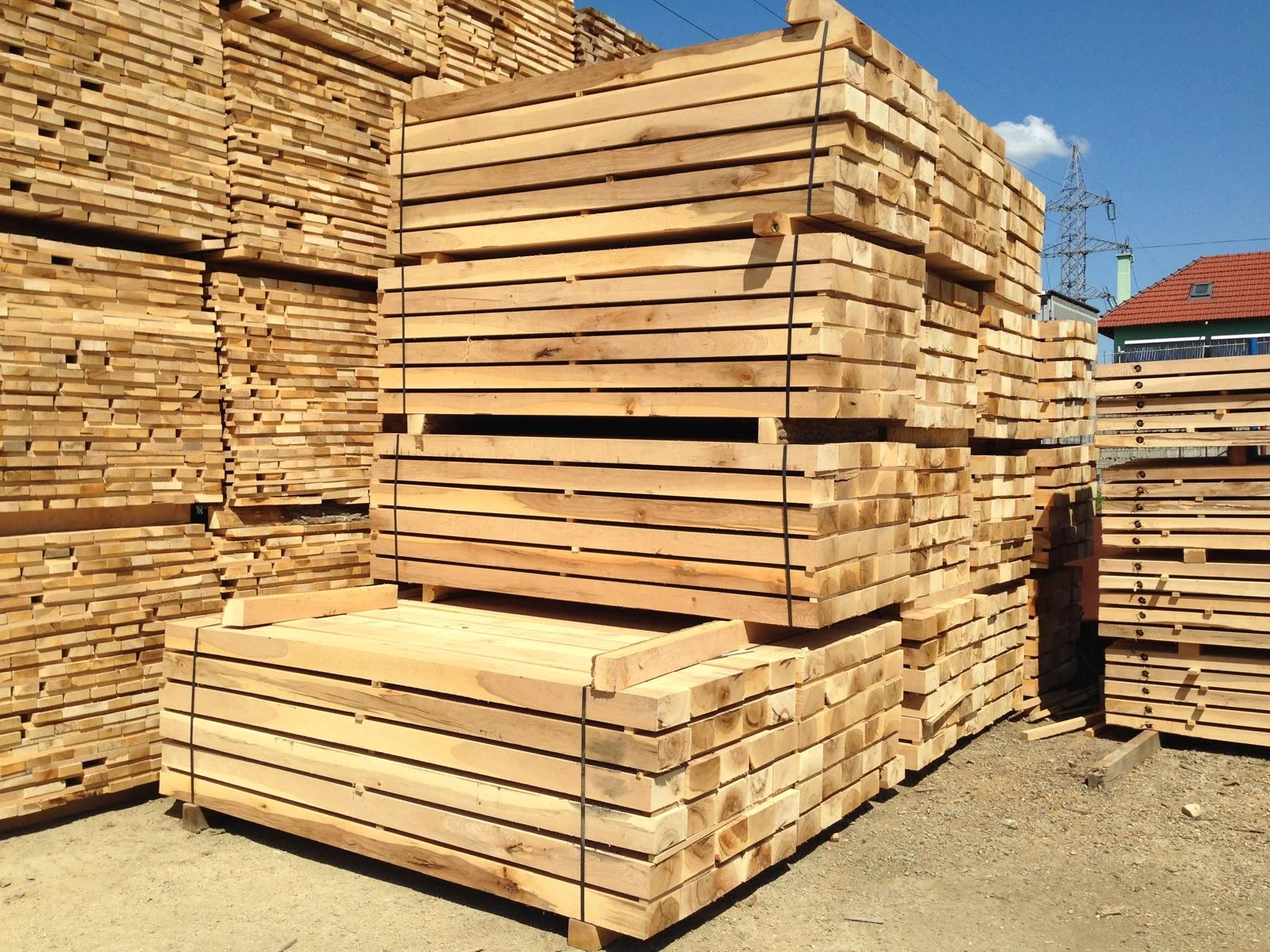
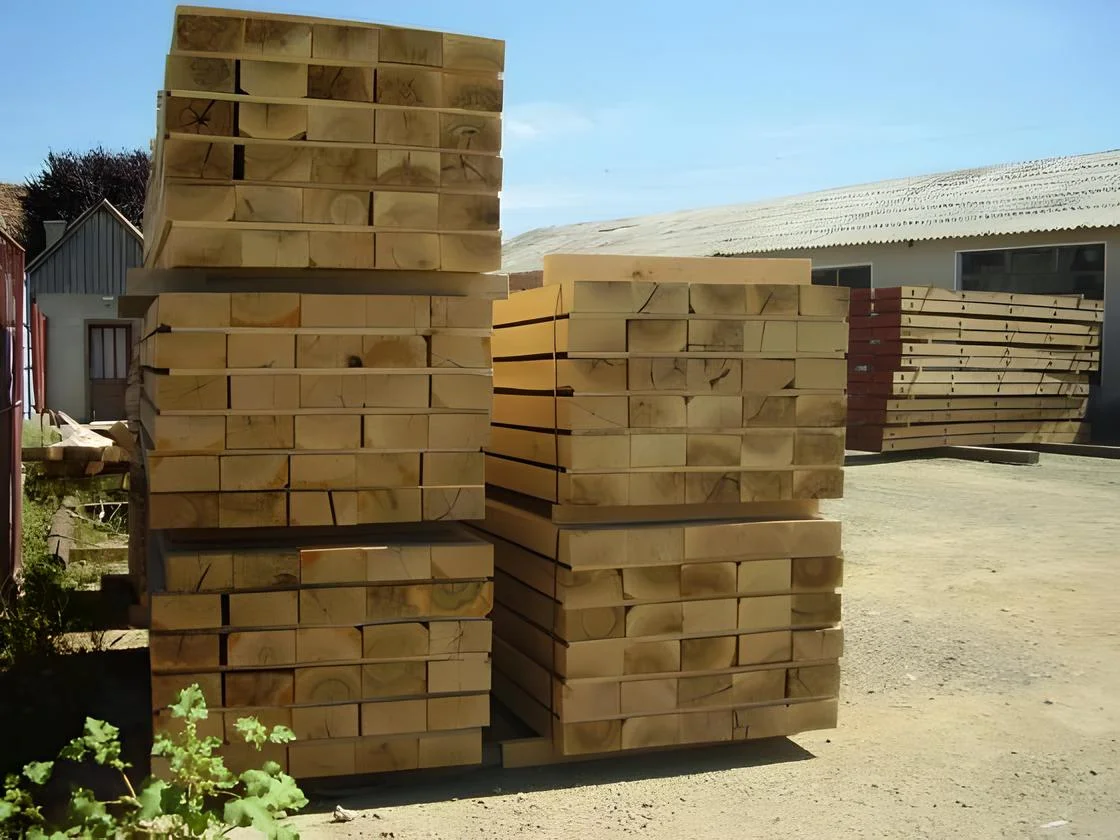
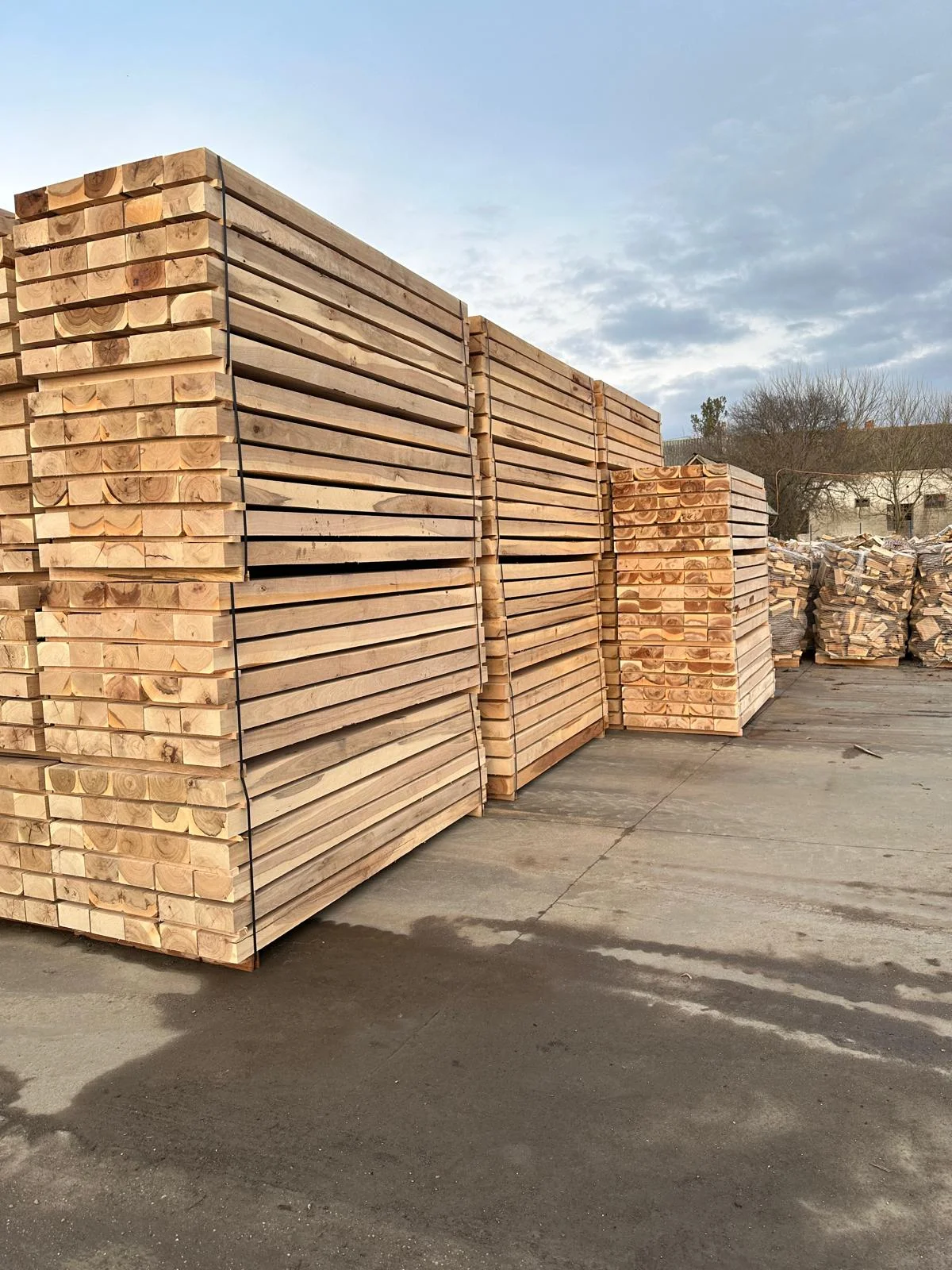
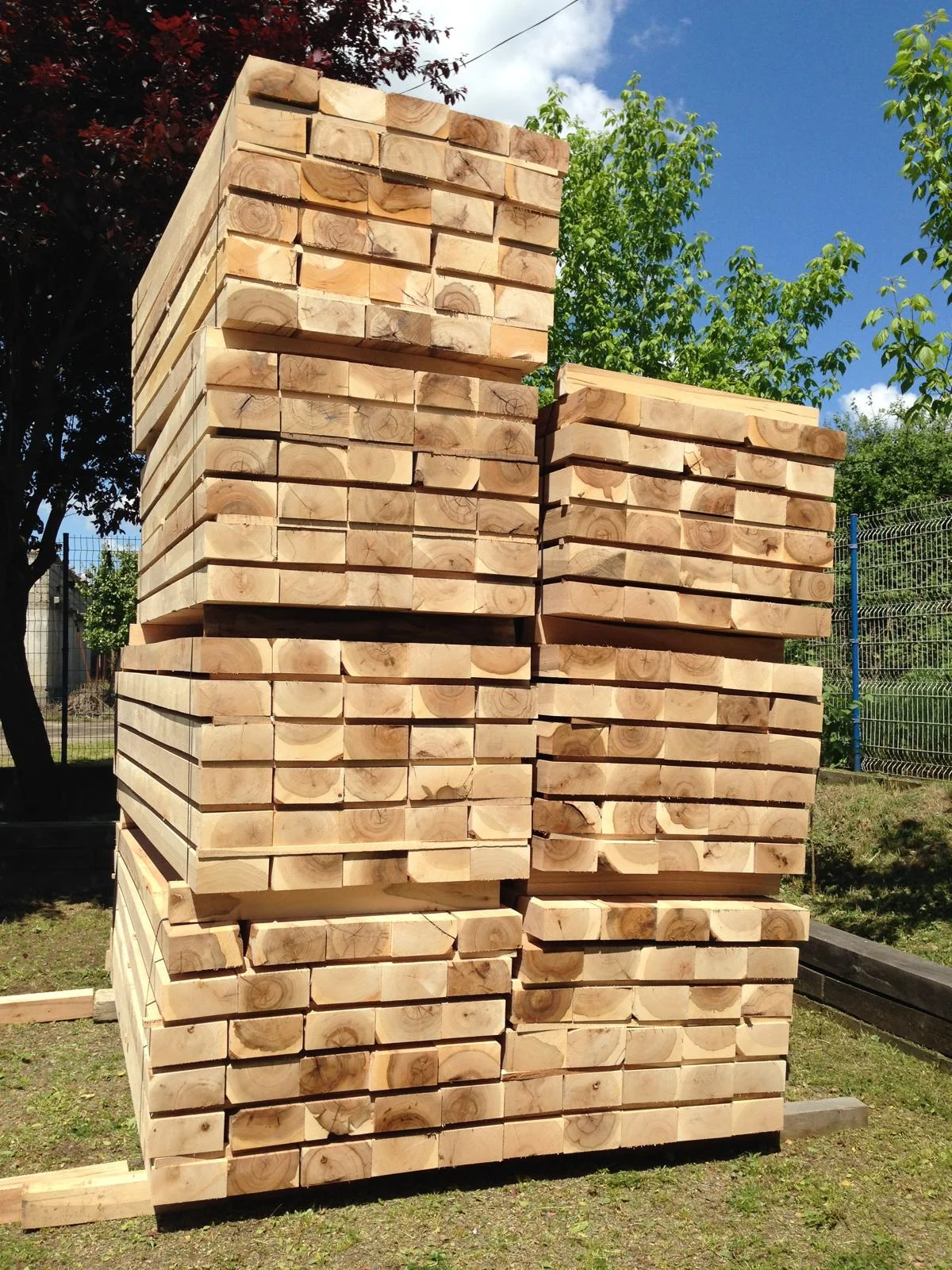
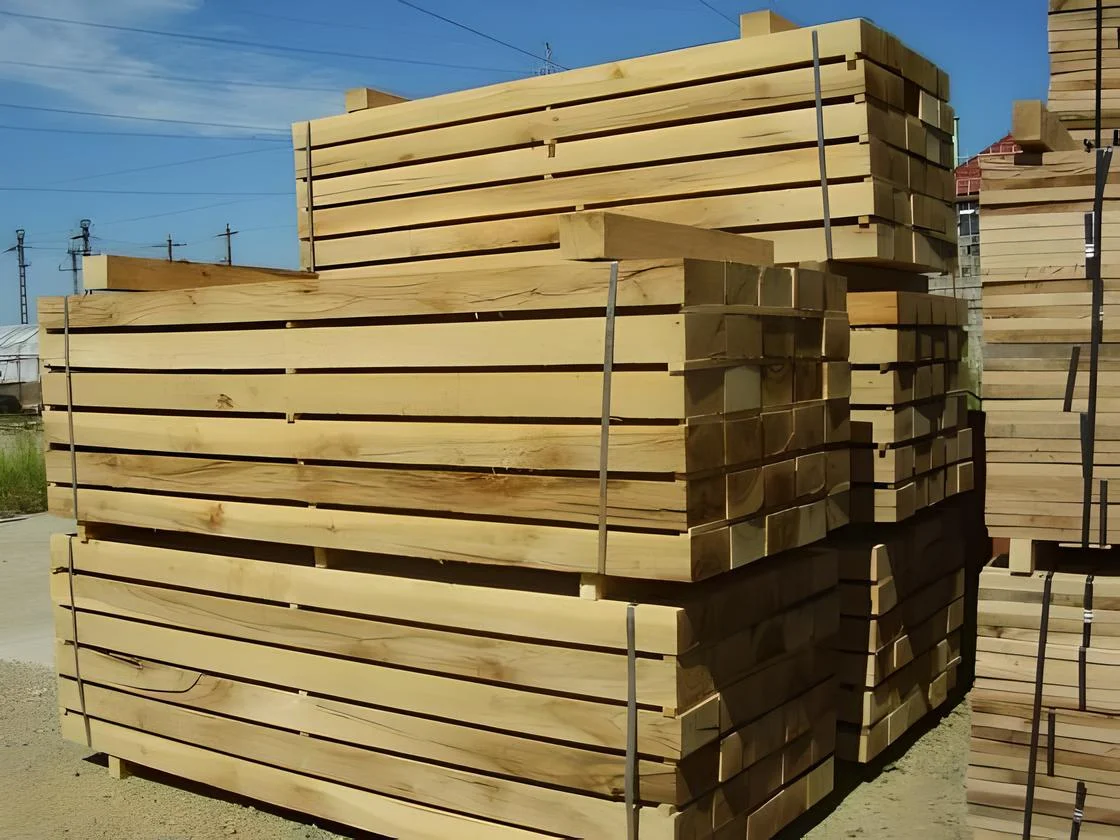
We provide a wide range of processed wood products specific to infrastructure development and more!
Please visit the following pages:
Thank you!
Are you interested in collaborating, have questions, or need assistance with something specific?
Don’t hesitate to reach out to us!